

Expert Legal Document Translation and Notarization Services
What are Legal Document Translations?
Legal document translation isn’t just swapping words from one language to another; it’s a specific field that moves legal concepts, terms, and the original intent across different legal systems and cultures. Unlike general translation, where some stylistic flexibility is usually fine, legal translation requires absolute accuracy, staying true to the original text’s meaning and its legal effect. Even a minor error can have big consequences: legal disputes, invalidated documents, major financial losses, or serious damage to someone’s reputation.
Translating legal stuff is hard because legal systems themselves are different. You’ve got common law, civil law, and religious law, right? Each one has its own way of doing things, its own words. A term that means something in one place might not have an exact match in another, or if it does, it could mean something totally different legally. Take “consideration” in common law contracts: it’s a big deal. Translate that directly, and it won’t carry the same weight in a civil law system, because they build contracts differently. Same problem with “discovery” in lawsuits or specific steps in a procedure. You really need to know both languages and, more importantly, deeply understand the legal world of both the original and the new jurisdiction.
Translators who work with legal documents usually have a strong legal background: law degrees, special legal translation certifications, or years of practical experience in the legal sector. This expertise lets them handle the complex legal jargon, old-fashioned language, and Latin phrases common in legal texts. They have to make sure the translated document has “equivalent legal effect,” not just a word-for-word copy that could accidentally change the original intent. Terminology also needs to be consistent, especially across a set of related legal documents, so there’s no ambiguity or misinterpretation. We handle this by giving projects to specialized legal linguists who are native speakers of the target language and also know the specific legal field. Our quality checks include several review stages to make sure everything is precise and meets legal standards. This careful process means that whether we’re translating a contract, a court order, or a will, the translated document keeps its full legal force and accuracy. This specific kind of legal translation is different from other expert fields, like academic document translation; each has its own distinct demands.
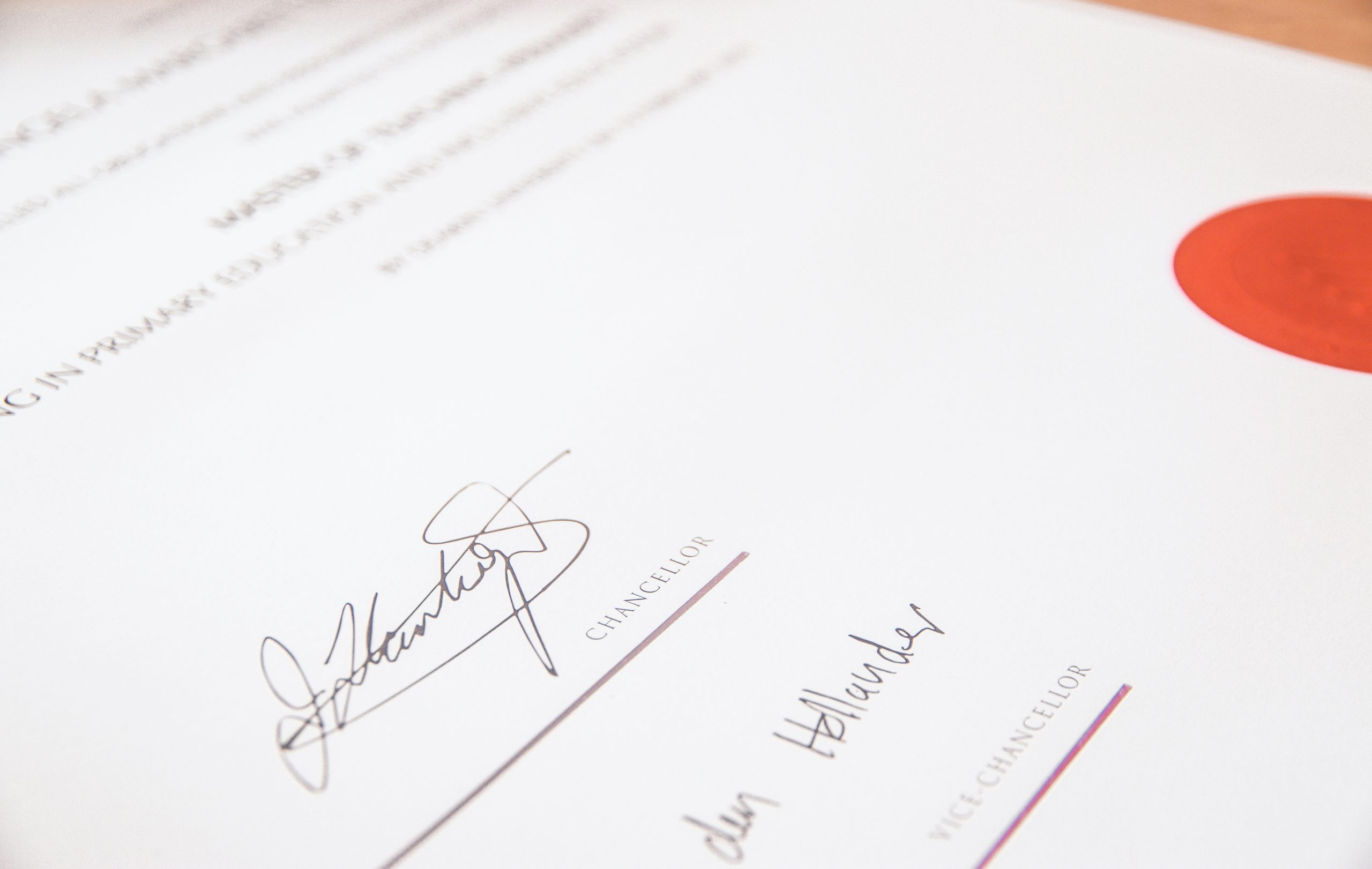
Photo by Lewis Keegan on Unsplash
Why Are Certified and Notarized Translations Crucial for Legal Purposes?
Courts and government agencies often demand a certified or notarized translation when legal documents cross international borders. Without it, they might reject the documents. That’ll stop delays, legal problems, or even the failure of a business or legal action. The certification proves the translation is accurate and authentic, and it identifies the translator.
You’ll want a certified translation for most official stuff: immigration, schools, some courts. That’s because it comes with a signed statement from whoever did the translating (an individual or an agency) swearing it’s a complete and accurate version of the original. That statement includes their contact info, credentials, date, and sometimes a stamp.
A notarized translation means a notary public gets involved. Here, the translator goes to a notary public, signs the certification statement in front of them, and the notary then confirms the translator’s identity and witnesses their signature. The notary public doesn’t check if the translation itself is accurate; they just confirm the person who signed the certification statement is who they say they are. This adds another layer of official recognition, which is often a requirement for documents in court cases, international business deals, or property transfers abroad. To understand these differences better, you can look at the differences between sworn, judicial, and legal translation.
Certified or notarized translations are standard for foreign-language evidence in court: everyone, the court especially, needs an officially recognized text. You need them, or sworn translations, to enforce a judgment or arbitral award across borders, to make the document admissible and give it legal weight. Setting up a business or pulling permits abroad works the same way; authorities almost always want certified translations of all corporate documents. Immigration, academic recognition and property deals with foreign documents also rely on these authenticated translations to be legally valid.
We know the drill on those strict requirements, so we offer certified and notarized translations. We deal with the target country’s legal standards, so your translated documents are authentic for legal purposes. If you need sworn translation services, we’ll get it done. Our certified document translation services meet the highest bar for official and legal documents, every time.
Key Legal Document Types Requiring Specialized Translation
Legal documents need specialized translation, and there are a lot of them; each one brings its own challenges for language and law. Getting it exactly right isn’t just nice to have, it’s a strict requirement, because any mistake in meaning can have serious legal consequences. We handle many of these critical documents, making sure their legal accuracy and intent stay the same across languages.
Court orders (divorce decrees, injunctions, judgments, and summonses) are the bedrock of legal actions. To enforce one internationally, you almost always need a sworn or certified translation. The formal, prescriptive language in these orders means translators must grasp the judicial process and each clause’s legal weight. Take enforcing a judgment from one country in another: it often means navigating international agreements like the Hague Apostille Convention, which requires properly authenticated translations.
Shareholder agreements are complex: they spell out who owns what, who does what and who’s accountable for what. Translate one wrong, and you could invalidate a whole chunk of the agreement, maybe about share transfers, voting rights or how to resolve a dispute. That’s why translators need a solid grasp of corporate governance, financial terms and corporate law in both countries involved; otherwise, a merger, an acquisition or even just daily business could go sideways.
In intellectual property (IP) law, patent applications are some of the most technically and legally demanding documents to translate. They contain very specific scientific and engineering terms, along with precise legal claims that define how much protection an invention gets. If just one word in a claim is translated wrong, it can narrow the patent’s scope, mean losing intellectual property rights, or make the patent impossible to enforce. Translators have to know both IP law and the specific technical field of the patent (say, biotechnology or mechanical engineering) to make sure the claims, descriptions, and drawings are accurate and legally sound.
When you’re taking your business global, things like articles of incorporation, bylaws, certificates of good standing, and all those licenses and permits (we call ’em Registration Documents) they’re make-or-break. You’ll need ’em translated right, and usually certified, before foreign government agencies will even look at ’em for setting up shop or getting permits. Do it wrong, and you’re fighting local corporate laws; do it right, and entering new markets is a lot smoother.
Eviction notices are time-sensitive documents with immediate legal consequences for tenants, so translating them requires more than accuracy: you also need to understand landlord-tenant law. Knowing the specific procedural rules for serving notices where they’re going is also key. Given their urgency, a quick, certified translation often keeps legal proceedings on track and compliant with the law.
Forget shareholder agreements for a minute; most of the commercial contracts you deal with (sales, employment, service agreements, you name it) usually need translating. Getting the terms, conditions, and especially those dispute resolution clauses just right is critical. If there’s any ambiguity that slips in during translation, you’re looking at some seriously expensive lawsuits.
We translate all sorts of legal documents: wills, trusts, powers of attorney, legal opinions, affidavits. For each one, it goes to a linguist who really knows that specific legal area. That’s how we nail every nuance and legal implication. It’s why clients trust us with their most critical needs, especially when they’re looking for best legal translation providers for international legal and compliance documents.
Certified Translation Services
Get your documents translated and certified by a professional translator in 120+ languages with 24 hour delivery.
Get a QuoteFinding Services for Complex Legal Document Translation
You know the stakes are high when a court case turns on complex legal documents. The accuracy of your translation, its confidentiality, and how legally sound it is can directly change the litigation’s outcome, affect contracts’ enforceability, or determine if international legal work even succeeds. So choosing a translation service isn’t something you do without a lot of thought about what matters.
Accuracy, it’s the big one: make a mistake translating legal documents for court, and you’re looking at misinterpreted evidence, flawed legal arguments, maybe even a case getting tossed out. So a good service needs a strict quality-check process, usually with a few stages of review. We start with a qualified legal linguist, then an independent legal expert edits and proofreads, and often we’ll have a legal professional familiar with that specific jurisdiction give it a final once-over. This multi-tiered system means every document we translate isn’t just linguistically perfect, it’s legally exact.
Confidentiality in legal translation is not just good practice; it’s a hard requirement. Legal documents are full of sensitive information like personal data, trade secrets, or privileged communications. Any service you consider must have ironclad data security: encrypted communications, secure file storage, and strict NDAs for everyone on the job. We prioritize client confidentiality, backing it up with complete data protection and a tight code of ethics.
You know, translating complex legal documents for court cases takes more than just being good with words. It’s about really understanding the law. I mean, you’ve got to grasp the ins and outs of whatever legal field you’re in, whether it’s civil litigation, criminal law, family law, even intellectual property or international arbitration. Ideally, your translators should have legal qualifications themselves, maybe a law degree, or years of actually working in the legal sector. That’s how they pick up on the nuances of legal arguments and procedural rules. Our team’s got linguists with those kinds of specialized legal backgrounds, so you can be sure experts who get the legal context are handling your documents.
Experience with court cases also helps a lot. A service that regularly handles litigation documents will know court procedures, specific formatting for legal submissions, and the tight deadlines common in legal proceedings. They’ll understand why terminology has to be consistent across all documents for a single case.
Look at the provider’s technology too. Human expertise is irreplaceable, but using translation memory (TM) and terminology management (TMG) tools can make things more consistent and efficient, especially for big document volumes. But human legal translators must always supervise these tools carefully to keep things accurate and contextually right.
Finally, check the provider’s scalability and client support. Can they handle large volumes of documents quickly without cutting corners on quality? Do they communicate well and offer dedicated project management? Transparent pricing and clear communication about their processes and credentials (including any ISO certifications or professional affiliations) also show a service is reliable. We pride ourselves on managing complex, high-volume projects efficiently, while keeping communication open with our clients.
Services Offering Integrated Translation and Notarization
Dealing with the paperwork for official legal recognition can be a real headache. Most of the time, especially if you’re sending documents overseas, filing in court, or registering something official, you need a precise translation and then a notarization. We’ve been there, so our legal translation providers handle both. It makes the whole process a lot simpler for our clients.
Look, you need a service that handles both translation and notarization. It’s just easier and faster. Think about it: instead of finding a translator, then a notary public, and trying to coordinate them both, you’re managing the whole project through one contact. That means a lot less paperwork, obviously, which saves time and cuts way down on mistakes that can happen when different people are involved.
Integrated translation and notarization services usually follow these steps:
- Document Submission: The client sends their original legal document to the translation service.
- Expert Translation: A qualified legal translator who knows that specific legal area and both languages gets the document. They make sure the translation is accurate and uses the right legal terms.
- Quality Review: A second independent linguist edits and proofreads the translation to check it is complete and accurate.
- Certification Statement: Once the translation is done, the translator or an authorized person from the agency writes a formal statement. This statement says the translation is accurate and complete.
- Notarization: The translator or authorized person then goes to a notary public. They sign the certification statement in front of the notary, swearing or affirming the declaration is true. The notary public checks the signer’s identity and sees them sign, then puts their official seal and signature on the document. The notary only authenticates the signer’s identity and signature; they do not check if the translation is accurate. The translator attests to the accuracy.
- Document Delivery: The client gets the fully translated, certified, and notarized document back, ready for official submission.
Beyond translation and notarization, some providers can help with more authentication, like getting an apostille or consular legalization. These are often needed for documents to be recognized in countries that signed the Hague Apostille Convention, or if they need more diplomatic authentication. This complete service means your documents meet all legal and official requirements without you having to deal with complicated bureaucracy.
Look, we get it: you’ve got contracts, court orders, whatever legal document, and it needs to be translated andnotarized. It’s a pain. That’s why we’ve got this whole thing squared away. We work with notaries all the time, so getting your translated documents notarized is quick and accurate, and you don’t have to stress about it. When you need certified translation services for legal official documents, this is the way to go.
Choosing a Legal Translation Provider
Picking the right legal translation provider can make or break your legal work. This isn’t just about language; it’s a specialized field where there’s a lot riding on every word, so you can’t just pick any translation outfit. You need providers who really know their stuff, are reliable, and care about quality and security.
First off, you’ll need someone with specialized expertise in specific legal fields. A general legal translator likely won’t catch all the nuances in those specialized documents. So if you’re translating shareholder agreements, for example, you want a translator who lives and breathes corporate law, mergers and acquisitions, corporate governance, financial regulations, all that. Patent filings? That translator’s got to get intellectual property law and the science or tech behind the patent. We make sure every project lands with linguists who aren’t just native speakers, but also have proven experience and qualifications in your documents’ exact legal field.
Speed and urgency often matter most in legal work. Eviction notices or court filings, for example, have tight deadlines. When you need a certified translation fast, ask about a provider’s capacity for rush jobs and their usual turnaround times for urgent requests. A reliable provider will have dedicated teams and efficient ways of working to hit tight deadlines without losing any quality or accuracy. We know many legal documents are time-sensitive and offer flexible service levels to meet urgent needs.
You need to know the difference between a sworn, certified, and notarized translation. The kind you need really depends on the jurisdiction. For example, some places only accept translations from “sworn translators”, people officially appointed by a court or government agency. Other jurisdictions are fine with a certified or notarized translation, which makes things easier. A good provider will help you figure out what authentication you’ll need for your target jurisdiction and offer the right service.
Always ask about the provider’s quality assurance process. A multi-step review, with an initial translation, independent editing, and final proofreading by a second legal expert, shows a high-quality service. This careful approach cuts down on errors and makes sure the translated text is legally accurate.
Legal documents carry sensitive, proprietary information. You don’t want to mess around with how that data is handled. A provider needs serious security: data encryption, secure client portals, and strict non-disclosure agreements from everyone on the job.
Finally, look at the provider’s reputation, client references, and cost transparency. Check for testimonials or industry recognition that show their reliability and expertise. Get a detailed quote that clearly lists all costs, with no hidden fees. Good communication and responsive project management also tell you a service is professional and client-focused. We are transparent with our pricing and keep communication open through the whole translation process, so you get expert, timely, secure legal translation services built for your specific needs.
FAQ
What makes legal document translation different from other types of translation?
Legal translation is different because it has to be absolutely accurate and translators need to understand legal terms and different legal systems. We’re not just moving words from one language to another, but legal concepts and what they mean. If we get it wrong, there can be serious legal and financial problems.
Why is it important to get sworn translations for court orders when enforcing them internationally?
You need sworn translations for court orders you want to enforce internationally because they officially guarantee the translation is accurate and the document is real. Foreign courts and authorities often ask for this. This certification means the document is legally valid and they’ll accept it as evidence in another country, which keeps your application from being delayed or rejected.
What are the key considerations when translating shareholder agreements for corporate law purposes?
When we translate a shareholder agreement, we’re really making sure all the stuff about how the company’s run, the money side, and how to sort out fights gets put into the new language just right. You’ve got to know corporate law inside and out; otherwise, you’ll miss the real meaning of terms for things like share transfers and voting rights. That’s critical, especially when you’re jumping between different legal systems.
How can I ensure my patent filings are accurately translated for intellectual property protection?
To make sure your patent filings are translated accurately, you should pick a service where the translators know both intellectual property law and the specific technical field of your invention. They need both to translate complex scientific claims and legal language precisely, which protects your patent rights.
What is the process for getting a document translated and notarized for legal use?
First, a qualified legal translator translates the document. Then, the translator or agency writes a statement certifying the translation is accurate. After that, the translator goes to a notary public and signs this statement. The notary checks their ID and watches them sign, and that’s how the document gets notarized.
Are there specialized services that handle both certified translation and notarization for legal documents?
Yeah, a lot of outfits that do legal translations offer both certified translation and notarization. You’ll find it saves a bunch of time doing everything through one provider, and you know all the ducks are in a row for official recognition.
What should I look for in a service that translates complex legal documents for court cases?
When you’re picking a service for translating legal documents in court cases, make sure they have a tight grip on quality control and can keep things confidential. You’ll also want translators who really know the specific legal area inside and out. Beyond that, look for strong data security and quick client support. Knowing litigation procedures is also key.
Can a single service provide a quick, certified translation of an eviction notice for legal purposes?
Yes, one service can provide a quick, certified translation of an eviction notice for legal purposes. Good providers know these documents are urgent, so they offer expedited services. They use dedicated teams and efficient ways of working to give you accurate, certified translations, even on tight deadlines.
Get a Translation Quote for Your Documents
Do you want a quick and easy way to obtain a professional translation service for your documents? Click on the desired button to access our online translation service!
Get a QuoteCover image: Photo by Anastassia Anufrieva on Unsplash