
Sure, these tools can make some tasks faster and more consistent. But using them for sensitive legal and immigration documents? That needs real ethical oversight. No shortcuts.
Machine translation? Fine, but a qualified human translator absolutely has to post-edit and review it. They’ll catch errors, make sure it’s legally sound, and pick up on subtleties automated systems just miss. Any tech platform we use needs to follow strict data security rules. Gotta keep that sensitive client information safe from any breaches.
Key Takeaways
- Accuracy is paramount to avoid misrepresentation in legal contexts.
- Strict confidentiality protects personal and sensitive information.
- Impartiality ensures unbiased translation without personal interpretations.
- Specialized competence is required for legal and linguistic nuances.
- Transparency in process and limitations builds trust.
The Ethical Imperative in Legal Translation
Birth certificates. Marriage licenses. Court orders. Asylum applications. Documents like these are often the only thing standing between an applicant and an immigration authority, and they represent a person’s identity, their history, and their legal standing all at once. Get one detail wrong and the consequences can be severe — delays, a rejected application, an adverse ruling that follows someone for years.
Immigration paperwork is stressful under the best conditions, so it’s worth saying plainly what sits behind everything we do: the material we handle shapes human lives, and for the applicant a translated document isn’t a small thing — it’s the whole thing. Converting words from one language to another is the easy part. Holding onto the exact legal meaning of the original, along with its cultural context and the weight it carries for the person who submitted it, is what matters more, and confidentiality, impartiality, and accuracy govern each step of our process, because the people relying on these documents are navigating a system that leaves little room for error.
Confidentiality and Data Security
Clients hand over everything — the specifics of a legal case, financial records, medical histories, personal identifiers — and protecting that material is a legal obligation, not professional manners. Let it slip and a person could face identity theft or discrimination, or damage to their legal standing that’s hard to undo, which is what makes confidentiality perhaps the most serious ethical duty in immigration translation.
Implementing Secure Practices
Document submission and delivery run through encrypted platforms, and only personnel directly assigned to a project can view a client’s sensitive information — which is what keeps data transfers protected from unauthorized access, personal and legal details out of reach of anyone who shouldn’t see them.
Accuracy and Fidelity to the Source
In immigration proceedings a single word can decide the outcome, which is why legal translation is an ethical duty before it is a quality preference: the translated document has to be a precise, faithful representation of the original. Legal documents rest on specific terminology and established legal concepts, so any deviation, however minor, can lead to misinterpretation, invalidate a document, or cause significant delays in an immigration application. Our goal: translations that are legally equivalent to the source text.
The Perils of Imprecision
A mistranslated date or name alone can render a document unusable, and worse than the re-translation bill (immigration timelines don’t wait for anyone) is an error that lands on legal status, a criminal record, or family ties, where the consequence isn’t a delay but rejection, or deportation proceedings. Since immigration authorities treat translations as direct evidence, a single doubt about accuracy can undermine the entire application — which is why our process is built around meticulous attention to detail.
Ensuring Linguistic and Legal Equivalence
Certified legal translators go over every translated document, check and re-check it, and these are people who know the terminology — but just as importantly they know how the legal systems at each end actually work, which is where a text that reads fine can still land wrong. Each pass gets held to the source, and what’s underneath all of it is that an immigration official picks up the version and it carries the same weight as the original, so the decision rests on information they can trust.
Impartiality and Avoiding Bias
The job is to carry the message across — nothing added, nothing dropped, nothing bent to fit a personal opinion or cultural assumption — and that’s not a formality, since a single biased word choice can prejudice the outcome of a case. It’s an ethical duty, not just a technical one, for anyone handling sensitive legal or immigration documents.
Recognizing and Mitigating Bias
It’s the subtle stuff that gets you — word choice, tone, which phrases get emphasized — and a translator can miss it entirely. In immigration contexts, though, that’s not a small thing: swap in a synonym with a slightly different connotation, or soften a statement you didn’t mean to soften (or intensify one), and you’re looking at real consequences.
The Translator’s Objective Stance
Immigration authorities count on translations to present facts as they are, not as a third party reads them into the record, and that’s why fairness in legal proceedings depends on holding an objective stance. Our ethical guidelines require translators to stick strictly to the source document, even when the content is challenging or controversial. Translated documents then serve as reliable, unbiased evidence.
Competence and Specialization
Translators handling sensitive immigration documents need real legal and linguistic expertise. That part isn’t up for debate. Legal translation is its own specialized field — general fluency in two languages doesn’t get you there. You need an in-depth grasp of legal terminology and concepts, and of the procedural requirements on both the source and target side. Miss that, and errors creep in. Those errors become ethical breaches, and the client pays for them.
Beyond Linguistic Fluency
Translating immigration documents requires understanding the legal frameworks governing immigration in the relevant countries — visa categories, application requirements, appeal processes — and that takes a nuanced grasp of legal jargon, the ability to render complex legal structures accurately, and an awareness of how legal concepts get expressed differently across cultures and jurisdictions. Knowing two languages is the starting point, not the job. A translator has to distinguish between similar-sounding legal terms that mean vastly different things. Get it right, and the translated document holds the same legal weight and intent as the original. Get it wrong, and an applicant’s case is in jeopardy.
The Value of Legal Specialization
Your sensitive documents go to professionals who understand the legal landscape at stake — that’s what you’re choosing when you pick Protranslate for your legal document translation services. And that’s why accuracy and ethical conduct matter so much here.
Transparency and Disclosure
Transparency builds trust, which is why clients should know what to expect from our services, how we approach complex legal terminology, how quality is assured, and what steps are taken to maintain the integrity of the translation. Ethical translation practices also mean being transparent about the translation process, any inherent limitations, and potential conflicts of interest. In legal contexts, where clarity and accountability are highly valued, this openness matters a great deal.
Communicating Process and Qualifications
We need to be straight with clients about how we translate things. Talk about our translators’ qualifications and the standards we follow. That’s just ethical. When clients understand how we handle language issues and guarantee quality, it avoids misunderstandings. Plus, it builds trust.
Addressing Potential Conflicts of Interest
A translator who knows someone involved in the immigration case they’ve been assigned to, or who once worked on a related matter, has a conflict of interest — rare in our operational model, but real. Our internal protocols include mechanisms for identifying and managing situations like this so that any translator assigned to a sensitive document can maintain absolute objectivity, and being upfront about our processes, along with any potential limitations or conflicts, is how we uphold the highest ethical standards and give clients confidence in the reliability and integrity of their translated legal and immigration documents.
FAQ
What are the primary ethical duties when translating sensitive legal documents for immigration purposes?
Accuracy is the first duty, and it’s non-negotiable: the target text has to reflect the source precisely, with no room for personal bias, which means the translator needs genuine legal and linguistic expertise for the subject matter in question. Confidentiality matters just as much — it’s not optional. Every piece of client information stays protected.
How is client confidentiality maintained when translating immigration-related legal documents?
Secure digital platforms and strict access controls, plus non-disclosure agreements with translators. Adherence to data protection regulations like GDPR matters too. Sensitive information gets careful handling at every stage, from submission through delivery and secure storage.
Why is absolute accuracy critical in the translation of legal documents for immigration applications?
Mistranslate a single date, a name, a phrase that shifts the meaning of a sworn statement, and you’re looking at delays, legal complications, or outright rejection — the translation has to carry the original legal intent and terminology faithfully enough that the document holds up as legally valid and authorities can actually understand it.
What steps should a translator take to ensure impartiality when translating sensitive immigration case files?
Convey the original message and nothing else — that’s the discipline, strict adherence to the source text and a neutral tone throughout, since any bias, however small, could sway the outcome of the immigration case.
How does a translator’s competence impact the ethical delivery of legal translations for immigration?
What makes the delivery Ethical in the first place is competence, since specialized knowledge of legal terminology and immigration procedures is what prevents errors that could harm the client’s case and keeps the translation legally sound.
What are the ethical implications of using machine translation for sensitive immigration legal documents?
Go near any high-stakes legal content — accuracy, confidentiality, legal compliance — and the ethical risks of raw machine translation become concrete: a mistranslated word, a nuance dropped entirely, weak data security over documents someone’s immigration case depends on. AI tools can help with parts of the work, yes, just not the parts that put that case at risk.
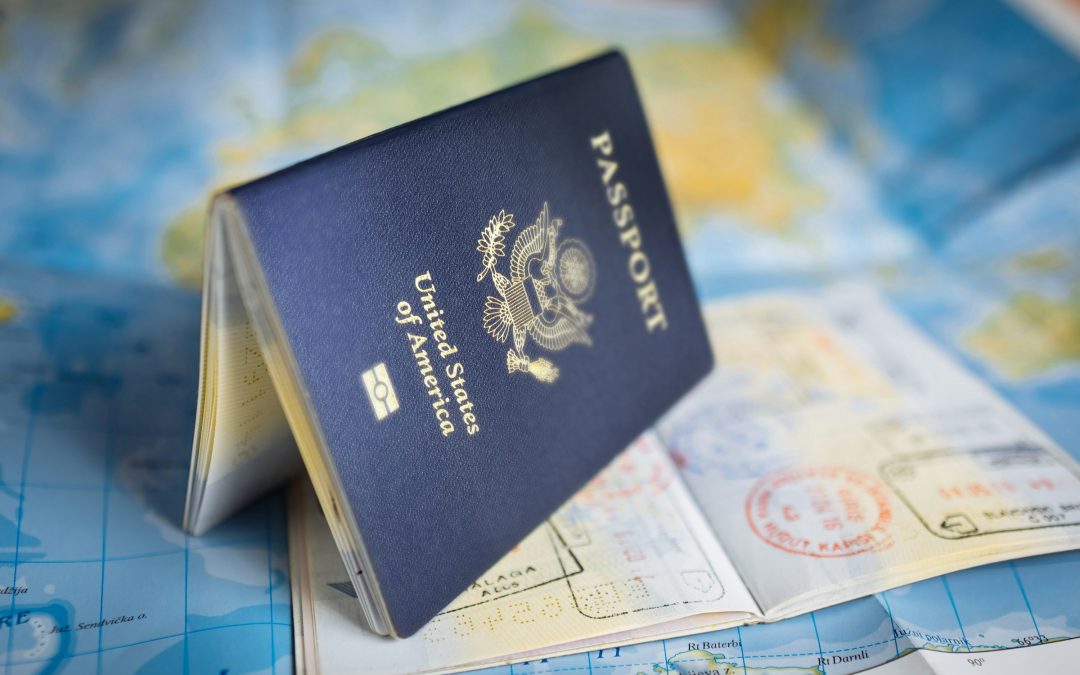
Cover Photo by Global Residence Index on Unsplash