 Rana Maalouf

When legal papers or official records cross language barriers, a simple translation just won’t cut it. You need a certified one. That’s how to make sure it’s accurate and gets accepted. This service is vital for stuff you hand over to government offices, courts, schools, or international companies. Even small mistakes can cause big delays, or get your documents rejected entirely. Protranslate offers expert legal document translation services that meet tough global standards. Your documents get recognized, accepted, no problem.
When is a Certified Translation Required for Legal Documents?
Certified translations are a must in certain spots where a document’s legal power and truthfulness are everything. Think immigration applications: birth certificates, marriage licenses, criminal record checks, all need translating and certifying. Court cases. International business deals. Property deeds. They all need certified translations to count legally. Schools often ask for certified transcripts and diplomas, too, whether for foreign student admissions or applying for professional licenses overseas. Basically, anytime a non-native-speaking authority needs to officially accept a document, a certified translation is usually non-negotiable.
Common Legal and Official Documents Requiring Certified Translation
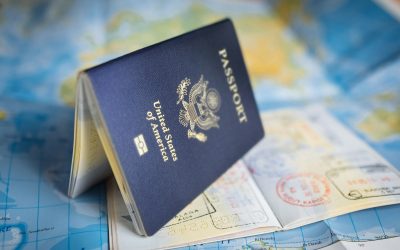
When authorities demand certified translations, it’s usually for the high-stakes documents: your personal IDs like passports, driver’s licenses, or national ID cards; the whole suite of legal filings, court orders, judgments, affidavits, evidence; and for businesses, things like articles of incorporation, contracts, or financial statements to keep international operations above board. Beyond that, critical life records (birth, marriage, divorce, and death certificates) invariably require certification for official use, whether for immigration, citizenship, or inheritance claims. Even academic records, like diplomas, transcripts, or professional licenses, need that official stamp when presented abroad.
The Risks of Using Non-Certified Translations for Legal Matters
Using a non-certified translation for legal or official documents? Big risks. The immediate one: outright rejection. Could be an immigration office, a court, or a university. That rejection means huge delays. Missed deadlines. Extra costs as you rush to get a proper certified translation. Beyond the red tape, bad or uncertified translations can cause serious legal headaches. Contract fights. Fines. Even entire legal proceedings getting thrown out. In sensitive areas like immigration or asylum, a rejected document can change someone’s life. Trusting unverified translations? It undermines your whole application or case.
The Certification Process for Legal Documents Explained
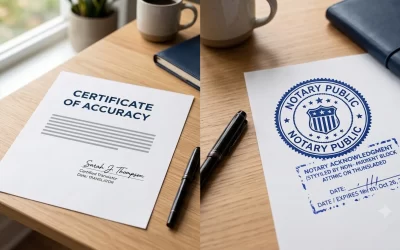
Getting a certified translation for legal papers is a pretty straightforward process. It’s built to guarantee precision and make sure the document gets official nods. First, hand over your original to a pro translation outfit like Protranslate. Our project managers will then hook it up with a qualified legal translator. This isn’t just anyone; they’re fluent in both languages and really know their way around legal terms. Once translated, that document gets a good, hard look, rigorous proofreading, quality checks. The last bit is certification: the translator or agency signs a statement, we call it a Certificate of Accuracy. This piece of paper confirms the translation completely and accurately matches the original. It usually gets attached right to the translated document, often on company letterhead, with the translator’s details. Then, your package is good to go for official submission.
What information is included in a Certificate of Accuracy for legal documents?
Usually presented on company letterhead, that Certificate of Accuracy isn’t just a formality, it’s the translator’s (or translation company’s) formal affirmation that their work truly and accurately reflects the original, a critical detail for anything legal or official. It’ll specifically list both source and target languages, identify the translated document itself, and provide the date of translation, all alongside the translator’s name, signature, and contact information (or that of an authorized agency representative). Crucially, many certificates also feature a seal or stamp, further bolstering their legal weight.
Ensuring Acceptance of Certified Legal Document Translations
To get your certified legal translation accepted, you really need to know what the authorities want. Documents often get kicked back for missing seals, bad formatting, or a certificate that just doesn’t hit the mark. Always double-check: does the receiving body need an apostille or notarization too? Those are different steps. Some foreign places, for example, might insist a ‘sworn translator’ or ‘judicial translator’ do the work. That has specific legal implications in certain countries. Protranslate handles this. Our expert translators stick to international standards and country-specific rules. We can also help with notarization or apostille services if you need them. It just helps smooth out the whole international document submission thing. Knowing the differences between sworn, judicial, and legal translation can make all the difference for acceptance.
Frequently Asked Questions About Certified Legal Document Translation
What types of documents require certified translation?
If you’re dealing with anything official—think government agencies, schools, or courts—you’ll need a certified translation. This isn’t just for immigration papers or business contracts; documents like birth and marriage certificates, academic transcripts, or even medical records, require that extra stamp of accuracy before anyone will take them seriously.
How long does a certified translation typically take?
Turnaround depends. Document length, complexity, and language pair all factor in. At Protranslate, we prioritize efficiency. Many standard documents finish within 4-6 hours. For bigger projects, or more specialized ones, we give a clear estimate upfront. Expedited options are often available.
Can you provide certified translations for medical records for a disability claim?
Absolutely, we can help, and with all our experience translating medical records for disability claims, we know exactly what these agencies are looking for. Our medical translators, experts at handling specific diagnoses, treatments, and technical terms, will make sure everything’s clear and correct. Your application will hold up.
Do you translate business incorporation documents for international company setup?
You bet! We regularly translate articles of association, certificates of incorporation, and other legal contracts for companies setting up shop abroad. Our certified translators don’t just translate. They ensure every document adheres to the specific legal and administrative rules you’ll encounter when establishing a business internationally.
What is the process for getting a certified translation of a power of attorney?
Upload your power of attorney document to our platform. We assign it to a legal translator for precise translation. The translated document then gets certified with an accuracy statement on our company letterhead. It’s then ready for official use.
Are your certified translations accepted for university degree and transcript applications abroad?
You bet they are. We’re translating university degrees and transcripts all the time, and they sail right through academic institutions and credential evaluators across the globe. Getting the academic terms, grading systems, and, most importantly, those specific degree titles right makes a huge difference, smoothing out the whole application process for further education or professional licenses overseas.
How do I get a certified translation of my driver’s license for a foreign application?
Submit a clear scan or photo of your driver’s license using our online system. Our certified translators will translate it. You’ll receive the certified document, ready for the foreign traffic authority or licensing body.
What makes a translation ‘certified’ for legal and official documents?
A translation is “certified” when it’s accompanied by a signed statement, often called a Certificate of Accuracy, from the translator or agency that stands behind its completeness and fidelity. For legal and official papers, this certification isn’t just a nicety; it’s the core assurance authorities need, confirming the document they’re holding is a true and faithful version of the original.
Can someone who isn’t a professional translator certify legal documents?
Don’t expect official bodies to accept a certified translation from a non-professional, no matter how good they are with languages. Certified translations, after all, carry legal weight, requiring a formal declaration of accuracy from someone with not only proven language skills but often specific expertise in legal terminology, the kind of assurance typically provided by a recognized translation agency or a translator belonging to a professional organization.
What are the key differences between notarization and certification for legal documents?
Look, certification and notarization are different things. Sometimes, though, you need both for legal papers. A certification is just the translator or agency saying, ‘This translation is accurate. It’s complete.’ Notarization? That’s when a public notary confirms the signature on that Certificate of Accuracy is real. The notary isn’t checking the translation for mistakes. They’re just making sure the person who signed it is who they say they are. But some places want both: a certified translation and a notarized signature on the cert.
Will foreign authorities accept my certified legal document translation? How can I be sure?
You want it accepted? Always check with the foreign authority or institution getting the document. Requirements differ a lot, by country, even by agency. You’ll need to confirm if an apostille is necessary, or if more notarization is. Check the format for the Certificate of Accuracy. And make sure the translator has any special qualifications the destination country demands, like ‘sworn translator’ status. Protranslate helps with these requirements. That boosts your chances of acceptance.
Do you want a quick and easy way to obtain a professional translation service for your documents? Click on the desired button to access our online translation service!Get a Translation Quote for Your Documents